
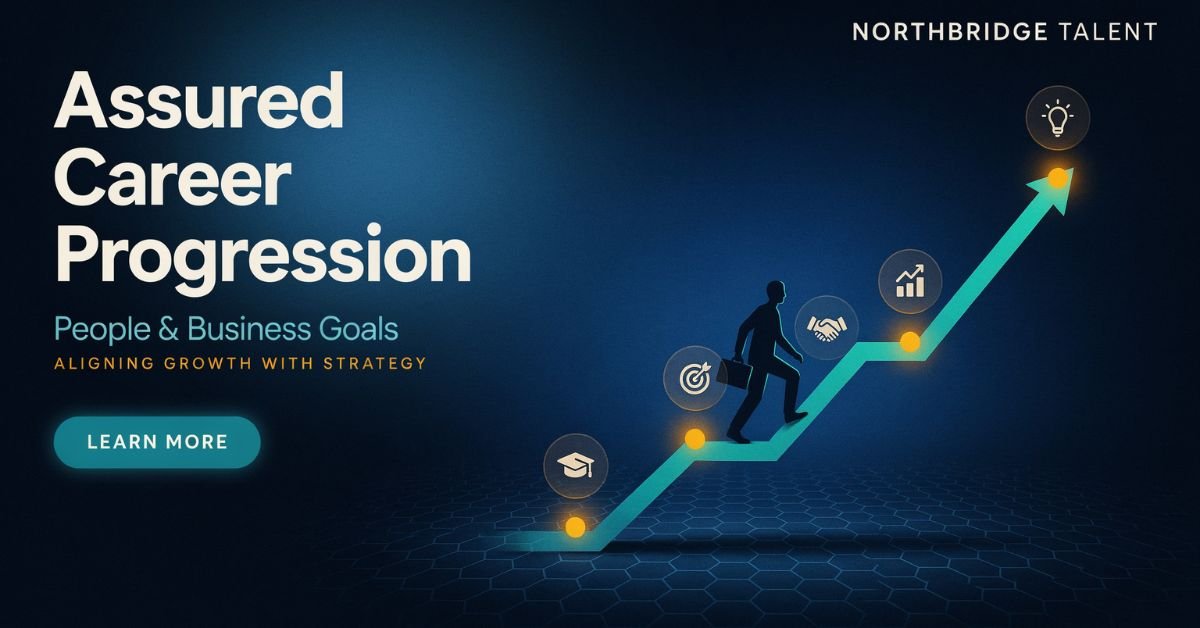
In today’s competitive workplace, employees want more than just a salary and a job title. They also want opportunities to learn, develop new skills, take on greater responsibilities, and build a successful professional future. This is where assured career progression becomes important.
Assured career progression refers to creating a clear and structured approach that helps employees understand how they can develop their careers within an organization. When employees know what skills, experience, and performance are needed to move forward, they can make better career decisions and work toward meaningful goals.
For businesses, career progression is equally important. A well-planned career development strategy can help organizations develop skilled employees, improve engagement, support workforce planning, and connect individual career goals with broader business objectives.
What Is Assured Career Progression?
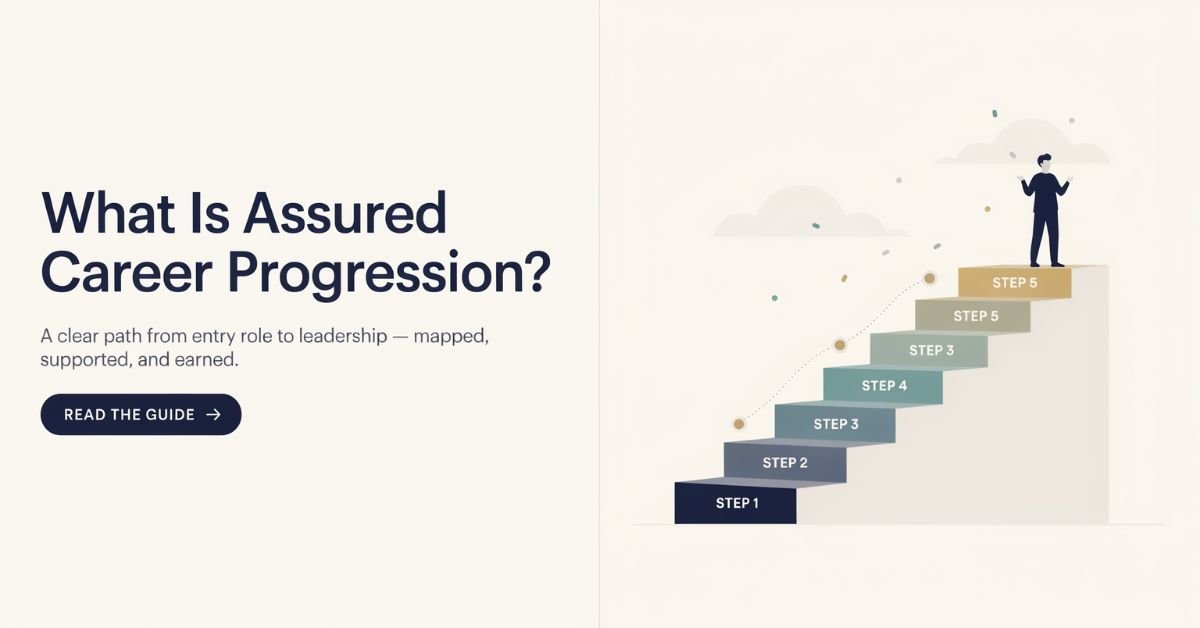
Assured Career Progression is a structured approach to employee development that provides clear pathways for professional growth. It focuses on helping employees understand their potential career paths and the steps they can take to progress.
Career progression can include:
- Learning new skills
- Completing professional training
- Taking on additional responsibilities
- Receiving mentoring and coaching
- Improving job performance
- Moving into senior positions
- Developing leadership abilities
- Exploring new roles within an organization
The word “assured” does not necessarily mean that an employee is guaranteed a promotion. Instead, it can describe a workplace approach where career development opportunities, expectations, and pathways are clearly communicated and supported.
Why Is Career Progression Important?
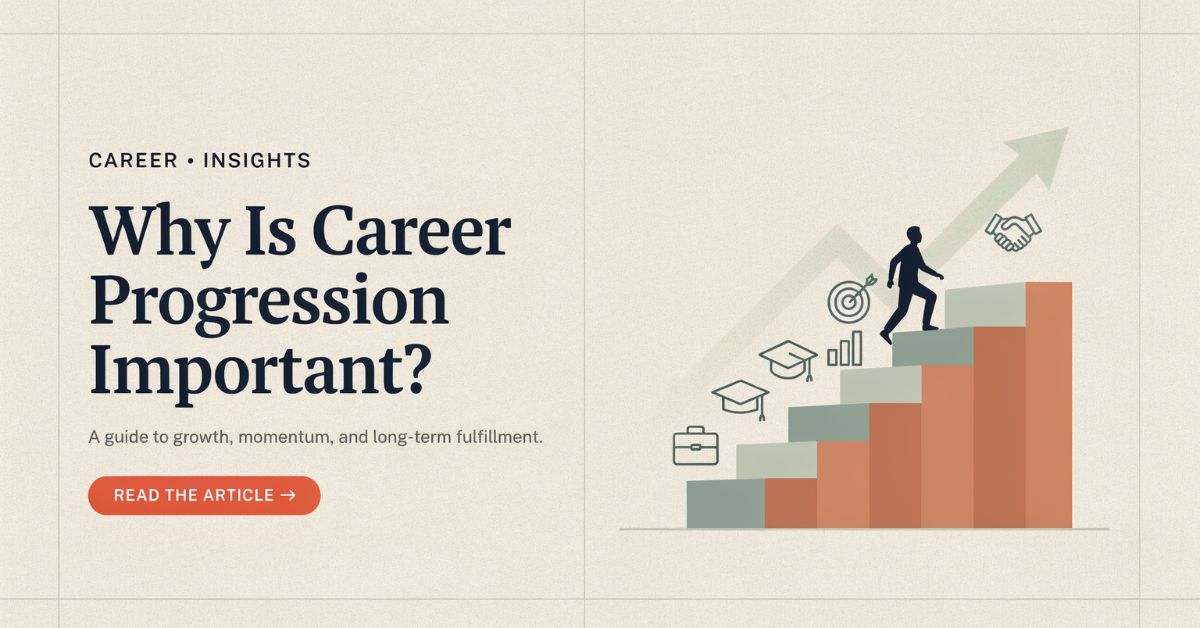
Career progression can play an important role in creating a motivated and capable workforce. Employees who can see opportunities for development may have a clearer sense of direction in their professional lives.
1. Improves Employee Motivation
Employees are more likely to remain focused when they understand how their current responsibilities connect with their future career goals. Clear objectives can encourage employees to improve their skills and performance.
2. Supports Professional Development
Career progression encourages continuous learning. Employees can identify skill gaps and participate in training programs that prepare them for future responsibilities.
3. Helps Employee Retention
Organizations that provide meaningful development opportunities may be better positioned to retain skilled employees. When workers can see a potential future within an organization, they may have stronger reasons to continue developing their careers there.
4. Builds Workplace Confidence
Clear expectations can help employees understand what is required to advance. This can make career planning more structured and reduce uncertainty about professional development.
5. Supports Business Growth
Employee development and business development are closely connected. When workers gain relevant skills, organizations can build stronger internal capabilities and prepare employees for changing business requirements.
Key Elements of Assured Career Progression
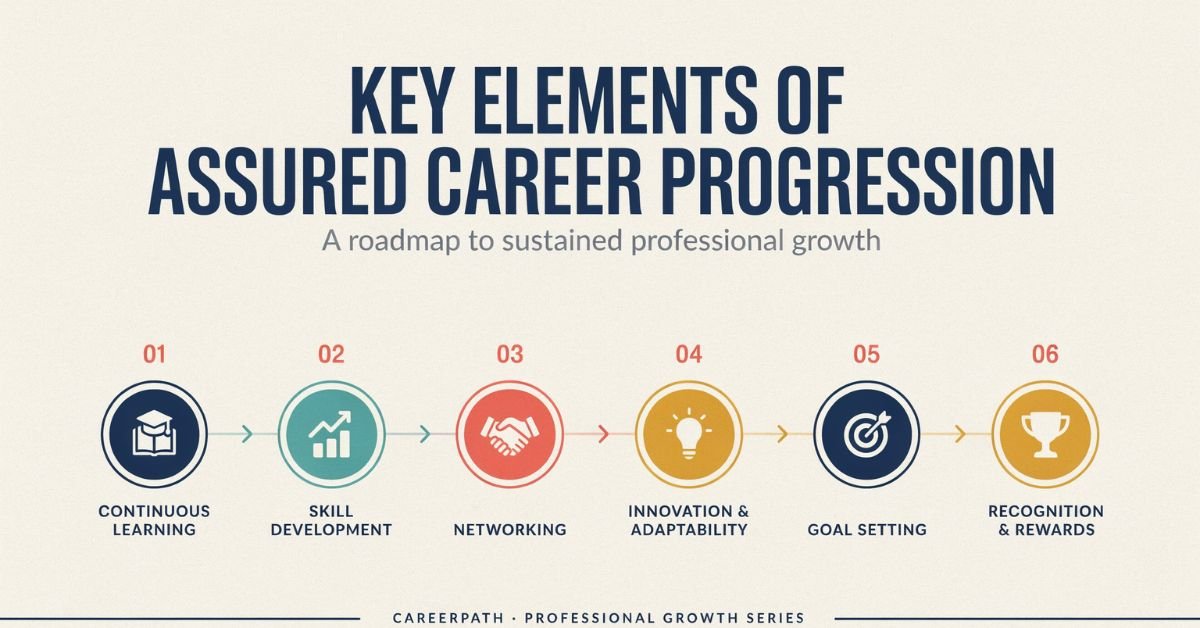
An effective career progression system usually involves several important components.
Clear Career Pathways
Employees should be able to understand the possible career paths available to them. A career pathway can show how someone might progress from an entry-level position to roles involving greater responsibility.
For example:
Junior Employee → Experienced Professional → Senior Professional → Team Leader → Manager
The exact pathway will depend on the industry, organization, and role.
Skill Development
Skills are an important part of career advancement. Organizations can identify the technical and interpersonal skills required for different positions and provide employees with opportunities to develop them.
Important areas may include:
- Technical knowledge
- Communication
- Leadership
- Problem-solving
- Project management
- Decision-making
- Teamwork
- Digital skills
Training and Learning Opportunities
Training programs can help employees prepare for future roles. These may include workshops, online courses, professional certifications, internal training, or practical projects.
Performance Evaluation
Regular performance discussions can help employees understand their strengths and areas for improvement. Effective evaluations should focus not only on past performance but also on future development.
Mentoring and Coaching
Mentors and managers can provide guidance based on their professional experience. Coaching can also help employees develop specific skills and overcome workplace challenges.
Goal Setting
Career goals should be specific and realistic. Employees and managers can work together to establish short-term and long-term development objectives.
How Assured Career Progression Aligns People and Business Goals
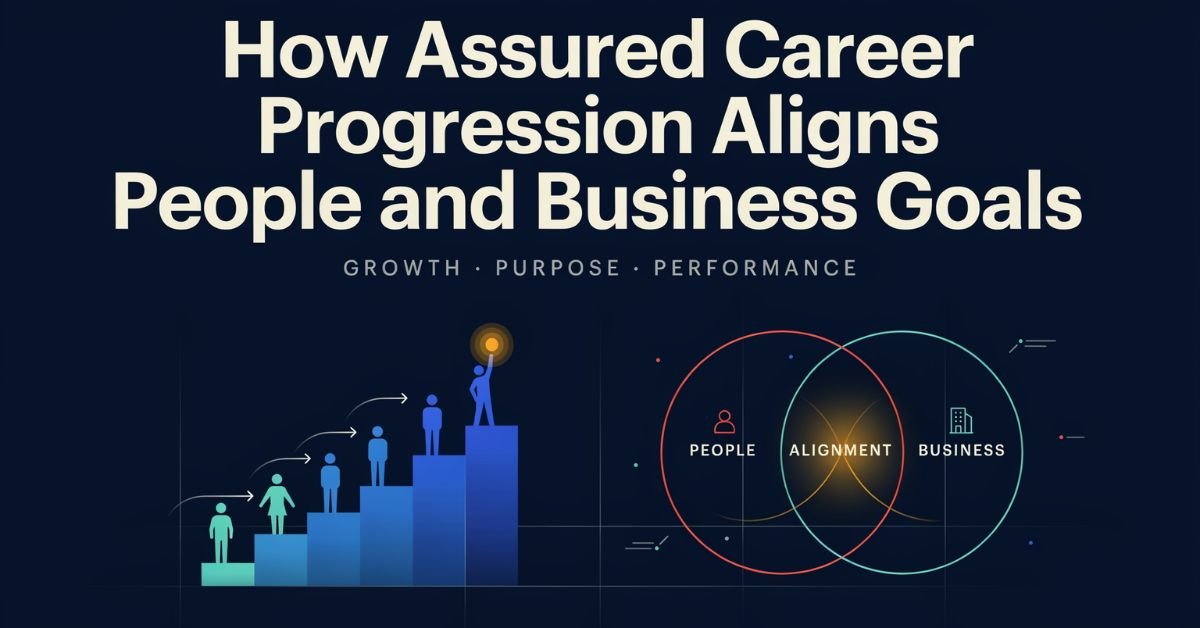
One of the most important advantages of structured career development is the connection between employee ambitions and organizational needs.
Employees may want to develop leadership skills, move into management, specialize in a particular field, or take on more complex projects. At the same time, businesses may need managers, technical specialists, project leaders, and employees with emerging skills.
A strong career progression framework can connect these two needs.
For example, if a company expects to expand its technology department, it may identify employees who are interested in technology leadership and provide relevant training. The employees gain opportunities to develop, while the organization builds capabilities that support its future objectives.
This creates a relationship between:
Employee Goals + Skill Development + Business Requirements = Sustainable Career Development
Benefits for Employees
A structured career progression system can provide several benefits to employees.
Better Career Direction
Employees can gain a clearer understanding of where their careers could go and what steps they need to take.
More Learning Opportunities
Career development programs can encourage employees to continuously improve their knowledge and skills.
Greater Responsibility
Employees who develop the necessary capabilities may have opportunities to work on more complex tasks and projects.
Internal Career Opportunities
Organizations can use internal talent to fill suitable positions, giving employees opportunities to explore new responsibilities without necessarily leaving the company.
Stronger Professional Skills
Continuous development can help employees build technical, communication, leadership, and problem-solving skills that remain valuable throughout their careers.
Benefits for Organizations
Career progression is not only an employee benefit. It can also support organizational performance.
Improved Employee Engagement
Employees may become more engaged when they understand how their work contributes to their professional development and organizational objectives.
Stronger Talent Development
Organizations can identify promising employees and develop their skills for future positions.
Better Workforce Planning
A clear career framework can help companies identify future skill requirements and prepare employees accordingly.
Leadership Development
Organizations can create leadership development programs to prepare employees for future management responsibilities.
Reduced Skill Gaps
Training and development can help organizations address skill shortages by developing existing employees.
How to Create an Effective Career Progression Plan
Organizations can follow several practical steps when creating a career progression framework.
Step 1: Identify Career Paths
Start by identifying the major roles and positions available within the organization. Define how employees can potentially move between roles.
Step 2: Define Skills and Requirements
For each position, identify the knowledge, skills, experience, and responsibilities required.
Step 3: Set Development Goals
Work with employees to establish realistic career objectives. Goals should be connected to both individual interests and organizational requirements.
Step 4: Provide Training
Offer employees access to relevant learning resources, training programs, mentoring, and practical experiences.
Step 5: Monitor Progress
Career development should be reviewed regularly. Managers can discuss progress, challenges, achievements, and future development needs with employees.
Step 6: Recognize Development
When employees successfully develop new skills or take on greater responsibilities, organizations should recognize their progress through appropriate opportunities and feedback.
Common Challenges in Career Progression
Although career progression can be valuable, organizations may face several challenges when implementing it.
Lack of Clear Career Paths
If employees do not understand how they can progress, career development can become uncertain.
Limited Training Resources
Some organizations may have limited budgets, time, or resources for employee development.
Poor Communication
Employees may not know about available training or career opportunities if organizations fail to communicate them effectively.
Inconsistent Evaluations
If performance assessments are inconsistent, employees may not clearly understand what they need to improve.
Limited Promotion Opportunities
Not every employee can move into a higher position at the same time. Organizations therefore need to provide development opportunities that are not limited to promotions.
Best Practices for Assured Career Progression
Organizations can improve career development by following several best practices.
Create transparent expectations: Employees should understand the skills and performance standards associated with different career levels.
Encourage continuous learning: Professional development should be an ongoing process rather than something that happens only during annual reviews.
Provide regular feedback: Frequent conversations can help employees understand their progress and identify areas for improvement.
Support internal mobility: Employees should be able to explore suitable opportunities in different departments when possible.
Develop managers: Managers should be trained to have meaningful career-development conversations with their teams.
Measure progress: Organizations can track training participation, skill development, internal movement, and other relevant indicators to understand whether career programs are working effectively.
Assured Career Progression in the Modern Workplace
The modern workplace is changing rapidly because of technology, automation, remote work, and evolving skill requirements. As a result, employees often need to learn new skills throughout their careers.
Organizations can respond by creating flexible career pathways that allow employees to develop both specialized and transferable skills.
Digital learning platforms, online courses, mentoring tools, performance-management systems, and skills assessments can also support career development.
Modern career progression should therefore focus not only on promotions but also on continuous learning, skill development, internal mobility, and meaningful professional experiences.
Conclusion
Assured Career Progression provides a structured way for organizations to connect employee development with business goals. By creating clear career pathways, supporting skill development, providing training, and encouraging regular feedback, businesses can help employees understand how they can grow professionally.
For employees, a well-designed career progression system can provide direction, learning opportunities, and greater clarity about professional development. For organizations, it can support talent development, workforce planning, leadership preparation, and long-term business objectives.
The most effective approach is not simply to promise promotions. Instead, organizations should create a transparent environment where employees understand the skills and experiences they need, receive appropriate development support, and have meaningful opportunities to contribute and grow.
FAQs
What does assured career progression mean?
Assured career progression refers to a structured approach to career development in which employees have clearer pathways, expectations, and opportunities for professional growth. It does not necessarily mean that promotions are guaranteed.
Why is career progression important for employees?
Career progression can help employees develop skills, establish professional goals, take on greater responsibilities, and understand potential future opportunities.
How can companies support career progression?
Companies can support career progression through training, mentoring, coaching, performance feedback, clear career pathways, internal opportunities, and development planning.
Is career progression the same as getting a promotion?
No. Career progression can include developing new skills, gaining experience, taking on additional responsibilities, changing roles, or moving into a higher position.
How does career progression benefit businesses?
Effective career development can help organizations develop internal talent, support employee engagement, prepare future leaders, improve workforce planning, and address skill gaps.
1 thought on “Assured Career Progression: People & Business Goals”